

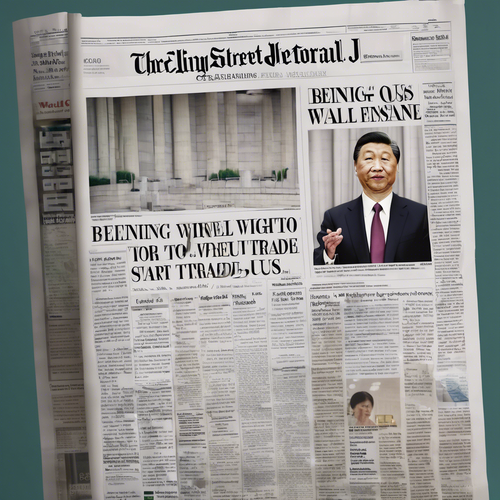
Beijing’s Fentanyl Offer: A Strategic Move in US-China Trade Talks
The world’s eyes remain fixated on the pulse of global relations as Beijing crafts an unprecedented offer to the United States: limit the production and export of fentanyl in a bid to rekindle vital trade discussions amid rising tensions and an escalating opioid crisis. This potential agreement serves as both a bargaining chip and a glimpse into China’s willingness to address complex international issues while navigating the treacherous waters of diplomacy. 🤝
The Fentanyl Crisis: An Overview
Fentanyl, a synthetic opioid, is estimated to be 50 to 100 times more potent than morphine. Majorly responsible for the escalation of the U.S. opioid crisis, it has contributed to the deaths of over 150,000 Americans in the past two years alone. The ease with which fentanyl can be manufactured and transported has made it a lucrative enterprise for drug traffickers and, by extension, a thorn in U.S.-China relations.
A Shift in Strategy? 🇨🇳
Beijing’s proposed offer appears to be a strategic pivot, aligning the fight against drug trafficking with economic negotiations traditionally marked by tariffs and trade imbalances. This initiative comes in the wake of U.S. calls for stronger enforcement against the production and distribution of fentanyl analogs. By addressing these concerns, China may be attempting to repair its image internationally while simultaneously reducing domestic pressures related to substance abuse.💊
The Stakes Involved
While the potential for a limited deal on fentanyl is promising, it is fraught with complications:
- Domestic Pressures: Chinese officials face significant scrutiny regarding drug-related deaths at home. Committing to limit fentanyl production could be seen as a concession to international demands but might also provoke backlash from domestic industries involved in its production.🏭
- U.S. Expectations: American lawmakers continue to demand rigorous and verifiable actions from China. For any deal to hold, there must be tangible results in reducing the flow of illicit drugs entering U.S. borders.
- Economic Implications: Trade talks encapsulate broader economic interactions. Limiting fentanyl may open doors for discussions on other matters, like restoring tariffs and addressing supply chain issues exacerbated by the COVID-19 pandemic. 📉
Global Implications 🌍
Should progress be made on this front, it might set a precedent for how countries negotiate on contentious issues that straddle the line between trade and public health. Critics question whether such an arrangement can sustain long-term efficacy without comprehensive strategies that include health care, education, and economic support for addiction recovery.
“The fentanyl crisis reflects a failure of a much larger system, and addressing it through trade negotiations alone might be overly simplistic,” states Dr. Sarah Chen, a noted global health policy expert. “This requires multi-faceted solutions.”
A Road Ahead: Will Talks Lead to Results?
As discussions progress, both nations face the daunting task of balancing national interests with humanitarian considerations. Can China genuinely curb fentanyl production in exchange for more favorable trade terms, or will this remain a fleeting moment in the complex web of international relations?
The confluence of trade and policy offers a unique opportunity for both Beijing and Washington. However, historical tensions combined with deep-seated mistrust mean that the path forward may be laden with obstacles. As these negotiations unfold, the world watches with bated breath, wary yet hopeful that a successful outcome can pave not only the way for improved trade but also address a devastating global public health crisis. 🌐



Do you think Chinas fentanyl offer is a smart move or a risky gamble in the US-China trade talks? Lets discuss!
I think Chinas fentanyl move is a risky play in the trade talks. Will it pay off or backfire? 🤔 #TradeWarGames
Wow, Chinas fentanyl move is risky! Will it pay off in trade talks or backfire? What do you think? 🤔🇨🇳 #DebateTime