


Trump’s Potential Support for Increasing the Top Individual Tax Rate
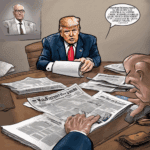
In an unexpected turn of events, former President Donald Trump is reportedly considering backing an increase in the top individual tax rate, stirring up both excitement and skepticism among economic analysts and political strategists alike. Once a staunch proponent of tax cuts during his administration, this potential pivot could indicate a broader reassessment of fiscal policies as the 2024 election looms closer. How does this align with Trump’s economic vision, and what would it mean for American taxpayers? 💰
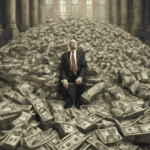
According to recent reports, Trump’s shift may stem from mounting pressure to address income inequality and rising inflation, which have raised concerns about the sustainability of the current tax structure. Historically, the top individual tax rate hovers around 37%, a figure Trump once championed for reduction. However, with national debt surpassing $31 trillion, the conversation around tax reforms is evolving rapidly. 📈
The Changing Economic Landscape
Economic data reveals a complex picture, one that suggests a growing divide between America’s wealthy elite and the struggling middle class. The US Census Bureau reported that the Gini coefficient, a measure of income inequality, has continued to widen since the 1980s, reaching levels that have raised alarm bells among economists. Current inflation rates, hovering around 4-5%, have further strained household budgets, leading to calls from both sides of the aisle for a re-evaluation of tax policies.
“What we are witnessing is a confluence of economic pressures that could reshape tax policy as we know it,” explains Dr. Sarah Lee, an economist at the Brookings Institution. “The question is whether Trump’s newfound openness to a higher tax rate will hold water with his base.” 📊
The Political Implications
Trump’s potential support for increasing the top tax rate is not just an economic issue; it also has significant political ramifications. Traditionally, Republican voters have resisted tax hikes, perceiving them as detrimental to economic growth. However, as issues of fairness and equity become more pronounced in public discourse, Trump’s shift could reflect a strategic move to appeal to moderate voters who are increasingly disillusioned with economic disparities.
This pivot also sets the stage for a potential primary battle within the Republican Party, as allies and opponents of the former president assess his evolving stance on fiscal responsibility. Will he be able to reconcile his tax-friendly past with a new message aimed at addressing income inequality? 🏛️
Public Sentiment and Future Outcomes
A recent Gallup poll indicates that a majority of Americans, including a fair number of Republicans, are in favor of increasing taxes on the wealthy to fund social programs and infrastructure improvements. This growing sentiment could provide Trump with the political cover needed to champion a revised tax policy.
- Increased Social Investment: Voter appetite for policies that prioritize public health, education, and infrastructure could align with Trump’s supposed focus on social equity.
- Fiscal Responsibility: Trump could also argue that higher taxes on the wealthy align with a fiscally responsible approach to managing federal debt.
- Strategic Compromise: A more moderate tax stance could serve as a bargaining chip in negotiations with Democratic leaders on broader fiscal issues, potentially leading to bipartisan support.
Looking Ahead: What Would This Mean for Taxpayers?
If Trump proceeds with advocating an increase in the top individual tax rate, what implications would this have for American taxpayers? The answer is complex. While some high earners might see a larger share of their income taxed, the revenue generated could potentially fund critical programs aimed at alleviating poverty and investing in economic growth. 🌟
The balance between generating government revenue and fostering economic growth is delicate. As Trump’s new approach unfolds, stakeholders will be closely monitoring how this dialogue develops leading up to the 2024 election.
“Tax policy is inherently political. It’s about more than just numbers; it’s about values. Trump’s scenario could force a redefinition of what constitutes effective governance in taxing the wealthy,” remarks political strategist Mark White. 📣
Conclusion: Shaping the Future of Tax Policy
Trump’s interest in increasing the top individual tax rate is indicative of broader shifts in political and economic contexts. Whether this marks a genuine commitment to reform or a strategic maneuver to appeal to a changing electorate remains to be seen. As the 2024 election cycle intensifies, the former president’s evolving stance on taxes could pave the way for new discussions surrounding fiscal responsibility and economic equity in America.

I cant believe Trump is actually considering higher tax rates! Do you think this will actually happen or is it just talk?
Wow, Trump supporting higher tax rates? Big shift! How will this impact the economy and his political image? Curious to see how it plays out.
I cant believe Trump is actually considering higher tax rates! What do you all think about this surprising shift? Will it help or hurt the economy?