

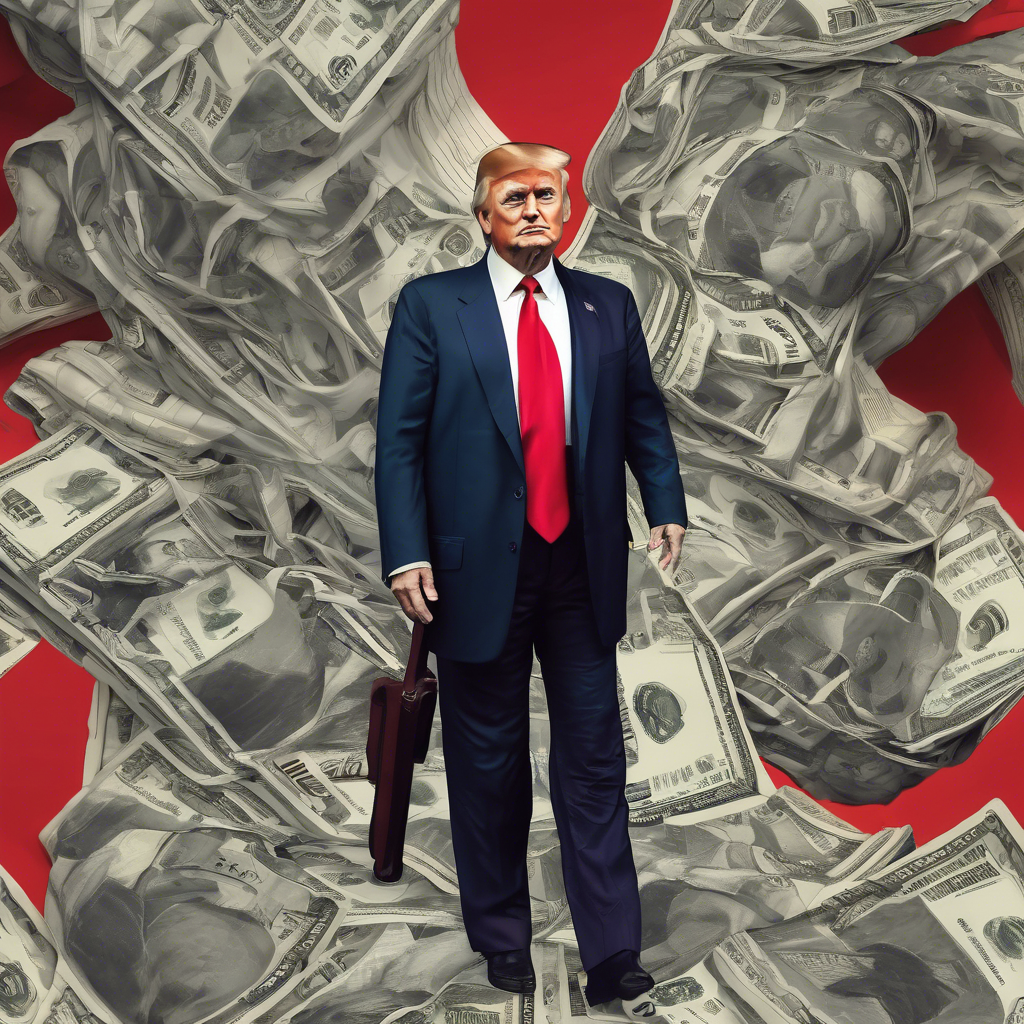
Trump and Mitterrand: A Study in Political Strategy
In a political climate fraught with uncertainty, the Wall Street Journal’s recent editorial suggests that Donald Trump might benefit from borrowing a page from the playbook of François Mitterrand, the former Socialist president of France. As both leaders navigate tumultuous waters, understanding Mitterrand’s tactics offers Trump—and indeed, the Republican Party—a lens through which they might reshape their narrative and strategy moving forward. 📈💼
The Case for Mitterrand
François Mitterrand, who served as France’s president from 1981 to 1995, exemplified an ability to adapt and innovate politically. His administration was characterized by bold reforms and a savvy understanding of electoral dynamics. Amidst a backdrop of economic malaise and social unrest, Mitterrand was known for embracing a dual strategy: appealing to both traditional leftist voters and moderate conservatives, thereby ensuring a broader coalition of support. This approach not only solidified his initial election victory but also allowed him to pivot and maintain influence during tough political times.
The Wall Street Journal argues that Trump, facing similar challenges with his base and the broader electorate, must embrace a more nuanced approach. By adopting a strategic flexibility reminiscent of Mitterrand, Trump could potentially transcend the divisive tactics that have characterized parts of his presidency. A focus on consensus-building might resonate with moderate voters disillusioned by polarization. 🗳️
Lessons from the Past
Mitterrand’s presidency was marked by significant reforms in social policy and economic strategy, including the nationalization of key industries and the introduction of wealth redistribution measures. This left-wing agenda saw initial resistance but was later pivotal in consolidating his power. Trump could learn from this by identifying pressing issues that resonate with a wide array of constituents. For example, his initiatives on infrastructure and healthcare—areas that directly impact the everyday lives of Americans—could be further emphasized and expanded to attract a more diverse voter base.
“Leadership is not just about the bold moves; it’s also about the quiet negotiations behind the scenes,” said political analyst Linda Marks. This insight ties back to how Mitterrand crafted his image as both a firm leader and a diplomatic negotiator.
Building a Coalition: Practical Steps for Trump
Emulating Mitterrand’s success requires understanding the power of alliances and compromise.
- Reaching Across the Aisle: Collaborating with moderate Democrats could serve to bolster Trump’s appeal among independents and disaffected voters. This may require softening some rhetorical edges to ensure doable policy discussions with the other side. 🤝
- Focusing on Key Issues: Prioritizing issues like economic recovery, healthcare reform, and climate change can help broaden his scope and engage a wider variety of voters who may otherwise feel alienated from his platform.
- Enhancing Messaging: Crafting a message that combines the populist appeal Trump is known for with a more inclusive narrative could mitigate the extreme divisions in the electorate.
Historical Context: The Power of Adaptation
Historically, politicians who have remained rigid in their ideologies often find themselves outmaneuvered. Mitterrand exemplified adaptability; he shifted his agenda in response to changing political tides. The 1983 ‘turning point’ towards austerity measures in response to economic pressures showcased his ability to redefine his administration’s goals whilst maintaining core support. 📊
For Trump, this notion of adaptability might mean reassessing positions that have polarized public opinion, thus fostering a more dynamic, responsive approach to governance that could reinvigorate his political capital. Leading with empathy, especially in the aftermath of public health crises or economic downturns, could align his policies with the pressing needs of voters.
Conclusion: A Future of Possibility
The call from the Wall Street Journal for Trump to look towards Mitterrand illustrates a crucial turning point in his leadership narrative. Adapting the historical successes of past leaders could offer a roadmap for bridging divides within the party and reaching out to a fractured electorate. If Trump can embrace the lessons of yesteryear—perhaps even crafting his version of Mitterrand’s versatility—he may very well reclaim his footing in the complex landscape of American politics. 🏛️



Why not consider how Mitterrands political strategies can shape Trumps approach? Its all about learning from the past!
I dont buy the comparison between Trump and Mitterrand. Their political strategies seem worlds apart to me. What do you all think?
I find it intriguing how Trumps political strategy mirrors Mitterrands. Can history really repeat itself in todays complex political landscape? Lets discuss!
I believe Trump could definitely learn a thing or two from Mitterrands playbook. History has valuable lessons for current political strategy.
Isnt it fascinating how Trump could learn from Mitterrands playbook? Politics truly is a never-ending game of strategy and adaptation.